

Naples is where pizza as most people know it was developed, and in 2017 UNESCO added the art of the Neapolitan pizzaiuolo to its list of intangible heritage. A margherita at a traditional pizzeria costs about €5-7, and specialty pizzas €10-15. The best-known pizzerias are on Via dei Tribunali in the Centro Storico and in Forcella, all within a 10-20 minute walk of each other, so it is easy to try two or three in a day.
What makes Neapolitan pizza different?
A soft, elastic crust with a puffed, lightly charred rim, simple toppings, and a very short bake in a wood-fired oven at about 485°C (905°F).
The dough is flour, water, salt and yeast, left to rise for at least 8 hours. It is topped with tomato (often San Marzano), mozzarella di bufala or fior di latte, fresh basil and extra virgin olive oil, then baked for 60-90 seconds. The result is soft in the center and blistered at the edge.
The Associazione Verace Pizza Napoletana (AVPN) sets out these rules and certifies pizzerias that follow them.
VisitNapoli.net recommends
Independently compared options — pick whichever suits your visit.
Where to eat a traditional margherita
Gino Sorbillo and Di Matteo on Via dei Tribunali, and L'Antica Pizzeria da Michele in Forcella, are the three most famous old pizzerias in the city.
Gino Sorbillo, at Via dei Tribunali 32 in the historic center, is known for a light, puffy crust, and a pizza there costs about €5.50 in 2026. It does not take bookings through its website, and the queue outside can be long. L'Antica Pizzeria da Michele, at Via Cesare Sersale 1, has been open since 1870 and keeps a very short menu built around the margherita and the marinara. There are no reservations: take a numbered ticket at the door and wait to be called. Di Matteo, at Via dei Tribunali 94, has sold pizza and fried snacks from its street window since 1936 and is closed on Sundays.
Expect queues at all three at weekends, and arrive early or at a quiet hour.
Naples on the map
Hotels and dining around Naples, with live ratings.
Where to find gourmet and modern pizza
Palazzo Petrucci and 50 Kalò, third and fifth in the 50 Top Pizza Italia 2026 ranking, are the leading modern pizzerias in Naples.
50 Kalò, Ciro Salvo's pizzeria at Piazza Sannazaro 201/B in Mergellina, in the Chiaia district, is known for a very soft, well-hydrated dough and seasonal toppings such as smoked provola, burrata and vegetables, with pizzas at about €8-15. It takes no bookings at Piazza Sannazaro, so expect to queue at weekends. Palazzo Petrucci Pizzeria began on Piazza San Domenico Maggiore in the historic center and on 8 September 2026 opened a second pizzeria at Via Posillipo 16C, on the sea, in the same building as the Palazzo Petrucci restaurant. A margherita at the Posillipo branch costs €12, and pizzas there run €12-18.
The seafront at Santa Lucia has several pizzerias too, including Diego Vitagliano Pizzeria at Via Santa Lucia 78.
How can I tell an authentic Neapolitan pizzeria?
Look for a wood-fired oven, a short menu built around the margherita and marinara, and often the AVPN certificate.
AVPN-certified pizzerias show the association's logo at the entrance or on the menu. The crust should be soft and blistered at the edge, never crunchy or thick.
The Centro Storico and the Quartieri Spagnoli have many traditional pizzerias where Neapolitans eat.
What do pizzerias in Naples cost, and when are they open?
A margherita costs about €5-7 at a traditional pizzeria, and pizzas at the modern pizzerias €8-18. Most serve lunch from about noon to 15:30 and dinner from about 19:00 to 23:30.
Gino Sorbillo closes between lunch and dinner, while Da Michele serves all day. The modern pizzerias often open only in the evening or close earlier, and some take reservations for dinner.
A pizza at Sorbillo costs about €5.50 in 2026 and a margherita at Palazzo Petrucci's Posillipo pizzeria €12. Cards are widely accepted, but ask before you order at the smallest places.
Which neighborhoods have the best pizzerias?
The Centro Storico, Forcella and Materdei have the most famous old pizzerias, and the Quartieri Spagnoli many smaller ones.
The Centro Storico has Gino Sorbillo and Di Matteo on Via dei Tribunali. The Quartieri Spagnoli has small family-run pizzerias on its narrow streets. Forcella, next to the historic center, has L'Antica Pizzeria da Michele and Trianon da Ciro, open since 1923 at Via Pietro Colletta 42-46. Starita, known for fried pizza, is in Materdei, north of the Archaeological Museum.
The first three areas are close enough to walk between, and all are on public transport.
How can I avoid long queues at popular pizzerias?
Arrive before the rush, go on a weekday, or book where the pizzeria allows it.
Sorbillo and Da Michele are busiest at weekends and in the evening. Arriving around 11:30 for lunch or 18:30 for dinner cuts the wait.
Most traditional pizzerias work on a first-come, first-served basis: at Da Michele you take a numbered ticket, and 50 Kalò takes no bookings at Piazza Sannazaro. Pizzerias on side streets away from Via dei Tribunali usually have shorter queues.
What is the difference between a margherita and a marinara?
A margherita has tomato, mozzarella, basil and olive oil. A marinara has tomato, garlic, oregano and olive oil, and no cheese.
The margherita is the signature pizza of Naples, and its red tomato, white mozzarella and green basil match the colors of the Italian flag.
The marinara is older and lighter. Every traditional pizzeria makes it, and it suits anyone avoiding cheese.
Where to try fried pizza
Starita in Materdei and Di Matteo on Via dei Tribunali are the best-known places for pizza fritta, the city's fried pizza with a crisp golden crust and a soft inside.
Pizza fritta is a traditional street food: pizza dough folded around a filling such as ricotta, salami or tomato, then deep-fried. Starita, at Via Materdei 27/28, is known for its fried pizzas, at about €4-7, and is closed on Mondays.
Di Matteo sells pizza fritta, frittatine and croquettes from its street window next to the dining room, which makes it a quick stop between sights.
Where to stay in and around Naples
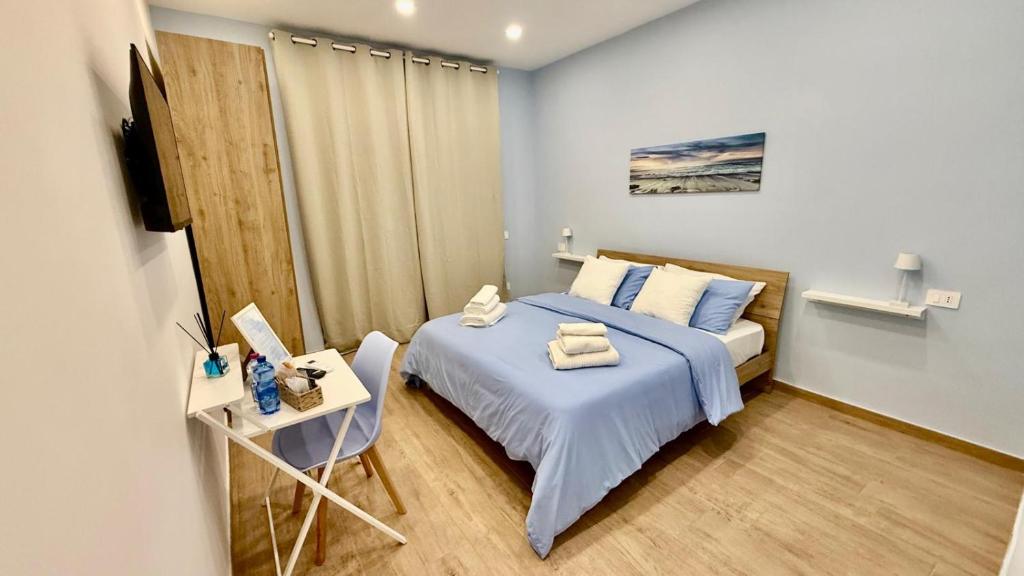
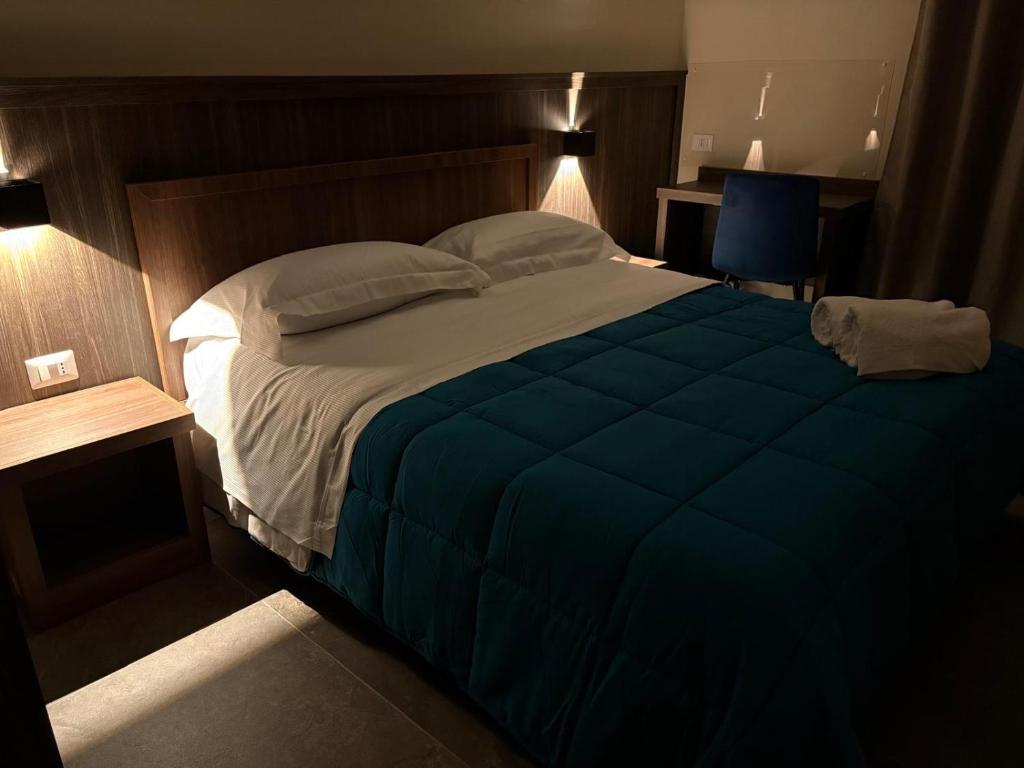
Live rates from Booking.com, Agoda, Hotels.com and more — nearby stays hand-picked by review score.


Prices and availability shown on partner sites at time of click. We may earn a commission.
Frequently Asked Questions
Practical tips for eating pizza in Naples
Carry some euros, because smaller pizzerias sometimes prefer cash. Tipping is not expected, but rounding up the bill or leaving 5-10% is appreciated.
Menus are mostly in Italian, but staff usually speak some English, and pointing or a translation app works too. Seating is tight in the small places, so expect to share a table at busy times.
For an introduction to the city's pizza, book a Naples: Guided Walking Tour including top pizzerias in Centro Storico, which stops at several pizzerias.
Which good pizzerias are away from the tourist center?
Pizzeria Pellone near Piazza Garibaldi and La Notizia in Vomero are outside the main tourist streets, and Pizzeria Brandi, near Piazza del Plebiscito, is the pizzeria that claims the margherita.
Pizzeria Pellone, at Via Nazionale 93 near Piazza Garibaldi, is known for large, traditional pizzas at about €5-10. La Notizia, Enzo Coccia's pizzeria on Via Michelangelo da Caravaggio, serves classic and modern pizzas and ranked 12th in the 50 Top Pizza Italia 2026 list.
Pizzeria Brandi is at Salita Sant'Anna di Palazzo 1/2, off Via Chiaia near Palazzo Reale. By its own account, its pizzaiolo Raffaele Esposito made the first margherita in 1889 for Queen Margherita of Savoy.
How do I get to the main pizzeria areas by public transport?
Metro Line 1, city buses and the funiculars all serve the pizzeria districts.
Metro Line 1 stops at Toledo, Municipio and Dante, all within walking distance of the pizzerias in the Centro Storico and Quartieri Spagnoli. Bus routes 151 and C63 serve the historic center from other parts of the city.
The Chiaia and Centrale funiculars climb to Vomero. The Montesanto funicular has been closed for an overhaul since 15 May 2026 and is due to reopen by April 2027. From the stations, most pizzerias are a 5-15 minute walk.
Food safety and dietary needs
Hygiene standards in Neapolitan pizzerias are generally good. Traditional pizzas contain gluten and dairy, and some toppings contain pork, so ask about ingredients if you have restrictions.
Tap water in Naples is safe to drink, though many people order bottled water with a meal. If you have an allergy or intolerance, tell the staff clearly or carry a translated card.
Busy pizzerias get crowded, so keep an eye on your bag and phone.
What else to do around the pizzerias
The pizzeria streets are also where many of the historic sights are, so a pizza fits easily between visits.
Via dei Tribunali runs past Naples Cathedral and the entrance to underground Naples (Napoli Sotterranea). Mercato di Porta Nolana, the fish and produce market near the station, sells the ingredients that end up on the menus.
A Naples: Guided Street Food Visit tour or a Market Tour and Cooking Class in Naples covers more of the city's food than pizza alone.


