






GuideNaples News
Pompeii New Excavations 2026: Latest Archaeological Finds


Now offering 450+ Tours and Activities and more than 200+ Places to Stay in and around Naples
Tours, hotels, travel guides and local interests — everything you need for your trip.


Underneath old Naples, there's a mirror of the city – cavernous and deep, this second city has sheltered and nourished Naples for millennia. Napoli Sotterranea dates back to 470 BC when the Greeks created underground cisterns for rainwater, and the Romans expanded on it with an aqueduct that served for centuries. As you venture lower, you'll be surprised by the 90% humidity. Imagine the intensified heat for the hundreds who sought refuge here as bombs rained down on Naples in the 1940s.

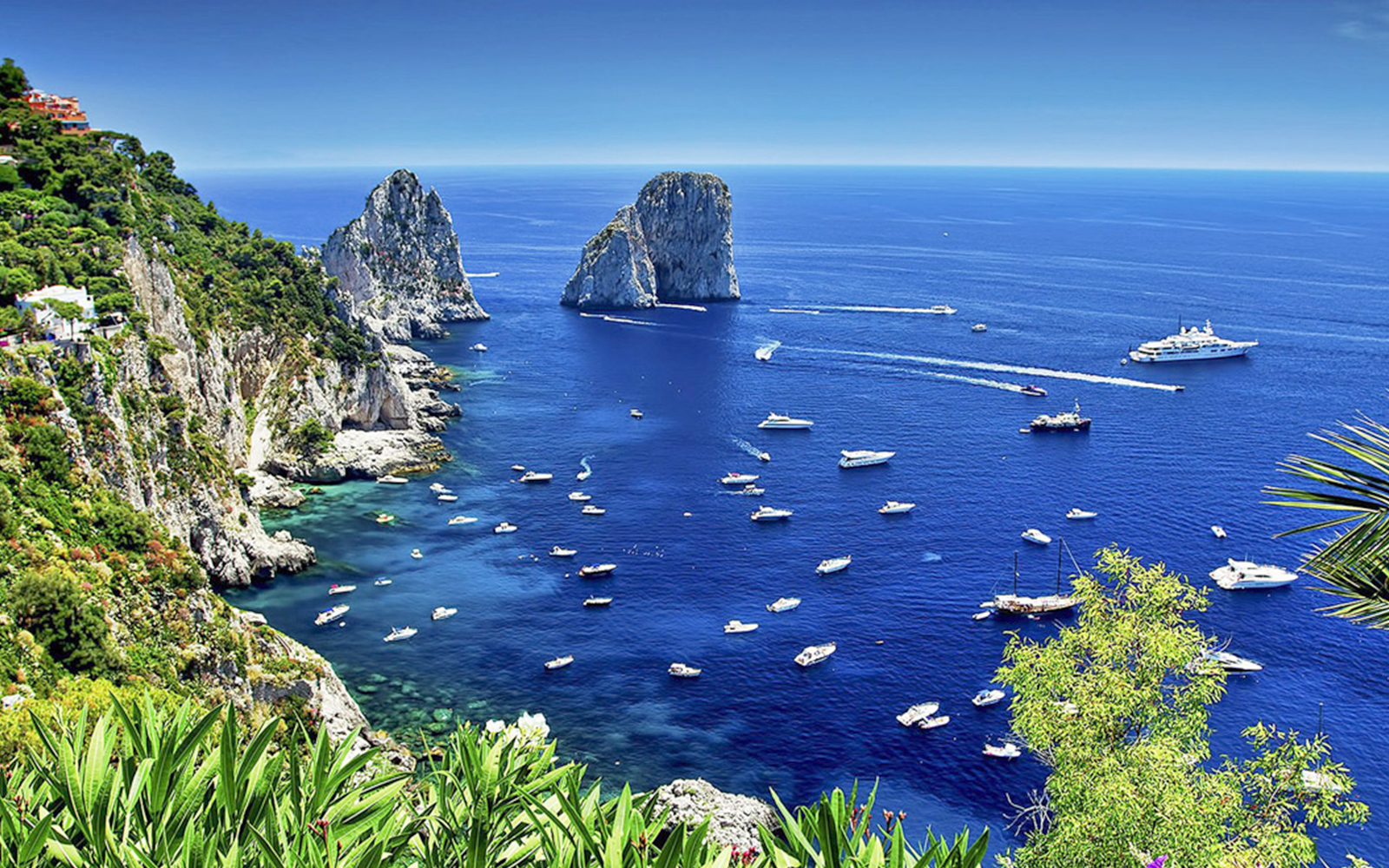
Set off from Pompeii, and journey to Vesuvius, the volcano that sealed the ancient city's fate. Your shared transport will drop you off at the base of the volcano, and your skip-the-line tickets will get you speedy access to the route that leads you to Vesuvius' peak. You'll even be able to peek into the crater that spilt forth the ash that entombed Pompeii and Herculaneum. There's more than just imagining the destructive force of Vesuvius, though. You'll also be greeted with breathtaking views of the Bay of Naples, Capri, Ischia, the edge of the Sorrento coast, and more. Your guide will also fill you in on fascinating anecdotes about the area and its history.

Witness the beauty of the Amalfi Coast on a day trip from Naples. Appreciate scenic views of the Sorrentine coast, with its dramatic sea-cliff terraces and spots like the Baths of Queen Giovanna, Jeranto Bay, and the Punta Campanella Marine Protected Area. The tour takes you to explore the lovely towns of Amalfi and Positano, with an optional visit to Ravello. In Amalfi, admire the scenic sceneries, romantic landscapes, and St. Andrew's Cathedral. End the day in Positano, where you can explore as you like before returning to Naples.

Visit the Cloister of Santa Chiara in Naples, located in the city's historic center. Walk through the porticoed pathways to observe the crafted majolica tiled decorations and frescoes depicting scenes of nature and historical activities. This landmark combines elements of Gothic architecture with traditional craftsmanship, providing insight into cultural and artistic practices. Explore the gardens and learn about their historical significance, all within an area that contrasts with the surrounding city's activity.
Underneath old Naples, there's a mirror of the city – cavernous and deep, this second city has sheltered and nourished Naples for millennia. Napoli Sotterranea dates back to 470 BC when the Greeks created underground cisterns for rainwater, and the Romans expanded on it with an aqueduct that served for centuries. As you venture lower, you'll be surprised by the 90% humidity. Imagine the intensified heat for the hundreds who sought refuge here as bombs rained down on Naples in the 1940s.
Set off from Pompeii, and journey to Vesuvius, the volcano that sealed the ancient city's fate. Your shared transport will drop you off at the base of the volcano, and your skip-the-line tickets will get you speedy access to the route that leads you to Vesuvius' peak. You'll even be able to peek into the crater that spilt forth the ash that entombed Pompeii and Herculaneum. There's more than just imagining the destructive force of Vesuvius, though. You'll also be greeted with breathtaking views of the Bay of Naples, Capri, Ischia, the edge of the Sorrento coast, and more. Your guide will also fill you in on fascinating anecdotes about the area and its history.
Witness the beauty of the Amalfi Coast on a day trip from Naples. Appreciate scenic views of the Sorrentine coast, with its dramatic sea-cliff terraces and spots like the Baths of Queen Giovanna, Jeranto Bay, and the Punta Campanella Marine Protected Area. The tour takes you to explore the lovely towns of Amalfi and Positano, with an optional visit to Ravello. In Amalfi, admire the scenic sceneries, romantic landscapes, and St. Andrew's Cathedral. End the day in Positano, where you can explore as you like before returning to Naples.
Visit the Cloister of Santa Chiara in Naples, located in the city's historic center. Walk through the porticoed pathways to observe the crafted majolica tiled decorations and frescoes depicting scenes of nature and historical activities. This landmark combines elements of Gothic architecture with traditional craftsmanship, providing insight into cultural and artistic practices. Explore the gardens and learn about their historical significance, all within an area that contrasts with the surrounding city's activity.

Visit the Cappella dei Bianchi to see artworks by Giordano, Fracanzano, and Vaccaro. Along the side walls, twelve canvases depict stories of Saint Anthony. The ceiling features four large paintings: The Eternal Father, The Virgin with Child and Saints, The Immaculate Conception, and Saint Francis. In 2019, the sculpture "The Veiled Son" by Jago was installed. Carved from a single block of marble, this piece shows a child covered by a veil, symbolizing the death of innocent children today. This piece draws inspiration from Giuseppe Sammartino's "The Veiled Christ," which highlights a man's sacrifice for the community. Jago's work represents contemporary realities, prompting reflection on often overlooked images.

Feel the magic of Italy with the exquisite 'Vino, Cucina, e Territorio' tour, nestled at the foot of Mount Vesuvius. The adventure consists of the rich gastronomic traditions of the region and a passionate focus on Lacryma Christi – the wine born from this very land. This unique exploration combines nature and emotion, taste and tradition. The journey begins with a stroll through verdant vineyards, where you can witness the breathtaking panorama of the Gulf of Naples, Sorrento, and the Isle of Capri. Next, the adventure takes you to the cellar, showcasing the wine production methods that bring this heavenly nectar to life. Finally, dive into a wine-tasting session, where the region's finest wines pair with local delicacies.

This guide details Naples neighborhoods with accommodation prices from EUR 50-200, transport options including metro and funiculars, and highlights areas like Centro Storico, Chiaia, and Vomero for visitors.

Naples Metro Line 1 features over a dozen art stations with installations by international artists. Tickets cost EUR 1.10, with stations like Toledo a 15-minute walk from Centro Storico. This guide covers access, artworks, practical tips, and local insights.

Find the best neighborhoods and hotels in Naples for 2026 with prices from EUR 40 to 200+. Learn which areas suit budget travelers, seaside lovers, and first-time visitors.

Plan your Naples trip with practical tips on transport, safety, customs, and budget. Includes airport transfer times, public transit costs, and local food prices.
This guide details Naples neighborhoods with accommodation prices from EUR 50-200, transport options including metro and funiculars, and highlights areas like Centro Storico, Chiaia, and Vomero for visitors.
Naples Metro Line 1 features over a dozen art stations with installations by international artists. Tickets cost EUR 1.10, with stations like Toledo a 15-minute walk from Centro Storico. This guide covers access, artworks, practical tips, and local insights.
Find the best neighborhoods and hotels in Naples for 2026 with prices from EUR 40 to 200+. Learn which areas suit budget travelers, seaside lovers, and first-time visitors.
Plan your Naples trip with practical tips on transport, safety, customs, and budget. Includes airport transfer times, public transit costs, and local food prices.

Plan your 2026 trip to Naples with these 25 top activities including historic sites, authentic food, coastal views, and nearby day trips. Expect meals from EUR 12 and easy access to Pompeii just 30 minutes away.

This 2026 guide details where to eat in Naples, highlighting authentic pizza from EUR 5, seafood dishes up to EUR 25, and top neighborhoods like Centro Storico and Quartieri Spagnoli for food lovers.

Neapolitan pizza, street food, and culinary traditions

Ancient ruins, baroque churches, and world-class museums

Pompeii, Amalfi Coast, Capri, and Vesuvius excursions

Kid-friendly attractions, beaches, and activities

Sunset views, candlelit dining, and coastal strolls

Hiking Vesuvius, island beaches, and coastal trails

Late-night bars, live music, and aperitivo culture

Theatre, opera, Maradona legacy, and street life
News & Guides
View allPompeii New Excavations 2026: Latest Archaeological Finds
Best Time to Visit Naples: Month-by-Month Weather and Events
How to Get from Naples to the Amalfi Coast: All Transport Options
New Naples Metro Art Stations: Underground Gallery Worth a Visit
Campania Artecard 2026: Is the Naples Museum Pass Worth It?
The skip-the-line part really saved us some waiting in the hot sun, which was a relief. Our guide Luca was chill and knew his stuff, though we wished there was more bathroom stops along the way.

Went with a group of friends, and I wasn't sure if the tour would be too boring for us but it wasn’t. Marco, the guide, mixed history with some funny stories which kept things light.

Our guy Marco was great! He made the whole thing pretty relaxed and funny, even though some of us were totally clueless. The hands-on part with stretching dough was cool, I never knew it was so tricky.

The skip-the-line part really saved us some waiting in the hot sun, which was a relief. Our guide Luca was chill and knew his stuff, though we wished there was more bathroom stops along the way.
Went with a group of friends, and I wasn't sure if the tour would be too boring for us but it wasn’t. Marco, the guide, mixed history with some funny stories which kept things light.
Our guy Marco was great! He made the whole thing pretty relaxed and funny, even though some of us were totally clueless. The hands-on part with stretching dough was cool, I never knew it was so tricky.
Each area has its own character. Find the local flavour that sets each one apart.

A dense grid of narrow streets built by the Spanish in the 16th century, now the beating heart of everyday Naples. Famous for the Maradona mural at Largo Maradona, the Pignasecca market, and Pintauro's legendary sfogliatella.

A gentrifying neighbourhood in the valley below Capodimonte, drawing visitors for the Catacombs of San Gennaro, the Catacombs of San Gaudioso, the baroque Palazzo dello Spagnolo staircase, and a growing restaurant scene.

The market district around Porta Nolana and Via Forcella, less polished than the tourist centre but rich with authentic local life. Known for its fish market, the Church of Santa Caterina a Formiello, and cheap, excellent street food.

The area around Molo Beverello ferry terminal and Piazza Municipio, dominated by the medieval fortress Castel Nuovo (Maschio Angioino). Also home to the elegant Galleria Umberto I shopping arcade and Teatro San Carlo.

Centro Storico in Naples is known for its rich history and architecture. Key sites include the Duomo di San Gennaro, which is free to enter, and Via San Gregorio Armeno, famous for its artisan nativity shops, especially lively during the holiday season. The largest continuous UNESCO-designated historic centre in Europe, home to Spaccanapoli, the Duomo di Napoli, San Gregorio Armeno (the nativity-maker street), and the Cappella Sansevero with its Veiled Christ sculpture.

A working fishing port on the western waterfront, known for fresh-catch seafood restaurants, the Chiosco Ciro kiosk, and ferry departures to Procida. The promenade connects to Posillipo for scenic evening walks.

A leafy hilltop quarter reached by three historic funicular railways. Home to Castel Sant'Elmo with its 360-degree terrace, the Certosa di San Martino museum, and the upscale shopping street Via Scarlatti.

The seafront strip between Castel dell'Ovo and Via Partenope, lined with upmarket hotels and seafood restaurants. Borgo Marinari — the tiny marina at the base of the castle — is one of the most photographed spots in the city.