

Naples is recognized as the birthplace of Italian espresso culture, where coffee is more than a drink; it is woven into daily routines. An espresso in Naples typically costs between EUR 0.90 and EUR 1.50 at local bars, much cheaper than in many European cities. The city serves about 240 million cups of coffee each year, highlighting its strong coffee tradition.
Visitors will notice the intense aroma of freshly ground beans filling the air and the sight of locals standing at the bar, sipping espresso crowned with a thick, velvety crema. The coffee scene blends historic cafes from the 18th century with contemporary spots that uphold the traditional Neapolitan espresso method. Knowing local coffee customs and familiar neighborhoods like Centro Storico and Vomero helps deepen understanding of this culture.
What makes Neapolitan espresso culture distinctive?
Neapolitan espresso culture stands out for its bold, full-bodied coffee served quickly at the bar, highlighting social interaction and longstanding tradition.
Espresso here is crafted from a dark roast blend of Arabica and Robusta beans, creating strong flavors and a thick crema. Unlike other cities, Neapolitans drink their espresso standing, often exchanging brief conversations with the barista or fellow customers. The quick pace matches the city's lively street rhythm.
At home, many use the "cuccuma," a traditional Neapolitan coffee pot different from cafe espresso machines. Local bars focus on speed and quality, serving espressos around EUR 1 that are consumed within minutes, making coffee both practical and social.
VisitNapoli.net recommends
Independently compared options — pick whichever suits your visit.
Where can you find the best traditional espresso bars in Naples?
The top traditional espresso bars are mostly found in Centro Storico and Quartieri Spagnoli, where historic cafes serve authentic Neapolitan coffee.
Gran Caffè Gambrinus on Via Chiaia, established in 1860, has a historic atmosphere with expertly crafted espresso priced near EUR 1.50. Caffè Mexico in Quartieri Spagnoli is known for its dense coffee blends and steady stream of local patrons.
Bar Nilo, close to Piazza del Gesù, is a small spot where espresso costs about EUR 1 and is praised for its strong, reliable flavor. These cafes preserve the tradition of drinking coffee quickly while standing at the counter.
Naples on the map
Hotels and dining around Naples, with live ratings.
How do Neapolitans typically enjoy their coffee throughout the day?
Neapolitans drink coffee several times daily, favoring espresso in the morning, mid-morning, and after meals as part of social and habitual routines.
Mornings often begin with a cappuccino and pastry, but after 11 am, cappuccinos give way to espresso. Mid-morning breaks are brisk, with locals stopping at neighborhood bars for a single or double shot. Post-lunch and dinner espressos aid digestion.
Afternoon coffee may come with a small sweet or be savored alone. Visiting a favorite bar multiple times daily emphasizes not only the quality of coffee but also the social connections it fosters.
What are some modern cafes in Naples that blend tradition with innovation?
Some modern cafes in Naples combine traditional espresso methods with current coffee trends, serving specialty brews alongside classic Neapolitan espresso.
Archivio Storico Caffè in Vomero merges a historic setting with brewing techniques like pour-over and cold brew, with espresso prices ranging from EUR 1.50 to EUR 3.00. Passarelli Caffè in Chiaia emphasizes high-quality beans and precise extraction while maintaining the Neapolitan espresso style.
These cafes attract locals and visitors seeking a refined coffee visit, often sharing detailed information about bean origins and roasting, while keeping the quick service and social atmosphere typical of Naples.
How can visitors best navigate the coffee scene in Naples?
To navigate Naples’ coffee scene effectively, visit a mix of historic espresso bars and modern cafes in neighborhoods like Centro Storico, Vomero, and Quartieri Spagnoli.
Begin early with a cappuccino and pastry at a traditional bar, then move through quick espressos during the day to follow local patterns. Walking between top cafes in Centro Storico takes 5 to 15 minutes, allowing sampling of multiple spots.
Public transport such as Metro Line 1 or local buses helps reach Vomero or Chiaia, where notable cafes are located. Joining a specialized coffee tour like the Naples: Guided Walking Tour provides insider insight into the best cafes and local coffee customs.
“In Naples, espresso isn’t just a drink—it’s a ritual steeped in history, where the rich aroma of freshly ground beans mingles with the city’s vibrant street life, and the best cafes serve coffee that’s bold, syrupy, and unforgettable—always enjoyed standing at the bar, like locals do.”
What are the average prices and opening hours for coffee bars in Naples?
Espresso at most coffee bars in Naples costs between EUR 0.90 and EUR 1.50, with typical opening hours from 7:00 am to 9:00 pm daily.
Bars in tourist-heavy areas like Centro Storico tend to charge closer to EUR 1.50, while neighborhood bars in Quartieri Spagnoli offer espresso near EUR 1. Most open early at 7:00 am for commuters and close by 9:00 pm, though some close earlier on Sundays.
Many cafes close briefly in the afternoon, usually from 2:00 pm to 4:00 pm, so planning visits accordingly is wise. Cash is the common payment method, but card acceptance is increasing.
What local tips can enhance your coffee experience in Naples?
To get the most from coffee in Naples, stand at the bar like locals, avoid ordering cappuccino after 11 am, and try a "caffè sospeso" to connect with local traditions.
Ordering while seated usually costs more, so standing at the counter is both cheaper and authentic. The "caffè sospeso" tradition means paying for an extra coffee for someone in need, a practice still alive in many Neapolitan bars.
Pairing espresso with a sfogliatella pastry or small biscuit is common. Visiting less touristy neighborhoods such as Rione Sanità or Forcella can offer lower prices and a more local atmosphere. Finally, avoid adding sugar before tasting espresso to appreciate its natural flavor.
How does the coffee culture in Naples compare to other Italian cities?
Naples stands out for its stronger, darker espresso and the habit of drinking coffee standing at the bar, contrasting with the slower coffee culture in cities like Rome or Milan.
Milan focuses more on specialty coffee, while Rome’s espresso tends to have a lighter roast. Naples prefers a robust blend with a thicker crema. The quick pace and social interaction at Neapolitan bars differ from the more relaxed café scenes in northern Italy.
This style reflects the city’s working-class roots and street culture, where coffee is a fast but essential ritual. Prices in Naples are generally lower than in Milan or Rome, making frequent coffee breaks more affordable.
Where to stay in and around Naples
Live rates from Booking.com, Agoda, Hotels.com and more — nearby stays hand-picked by review score.
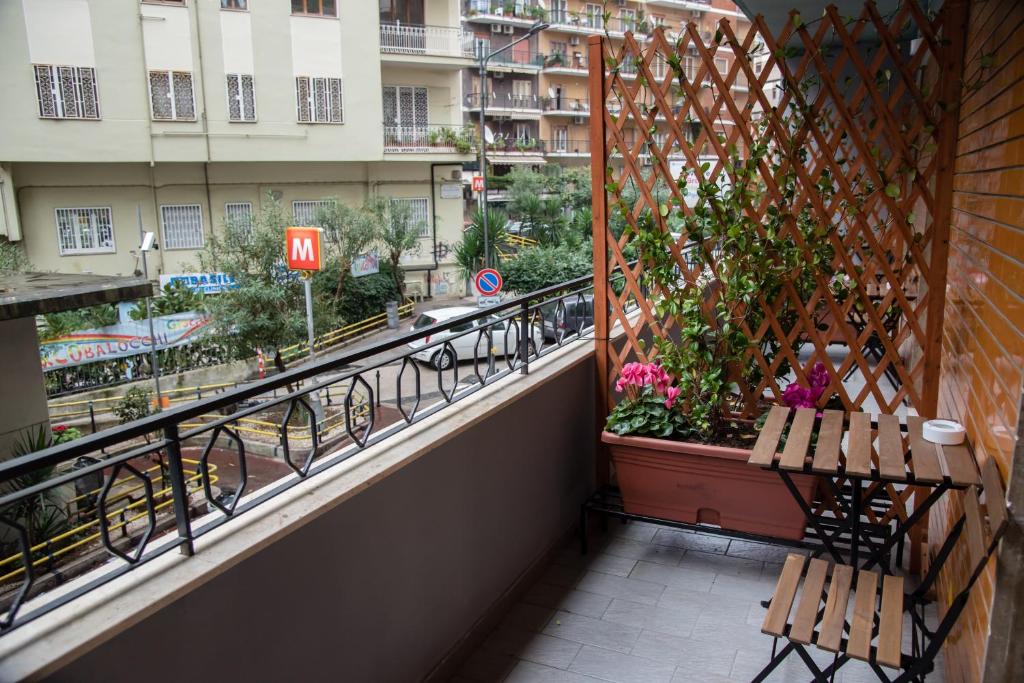
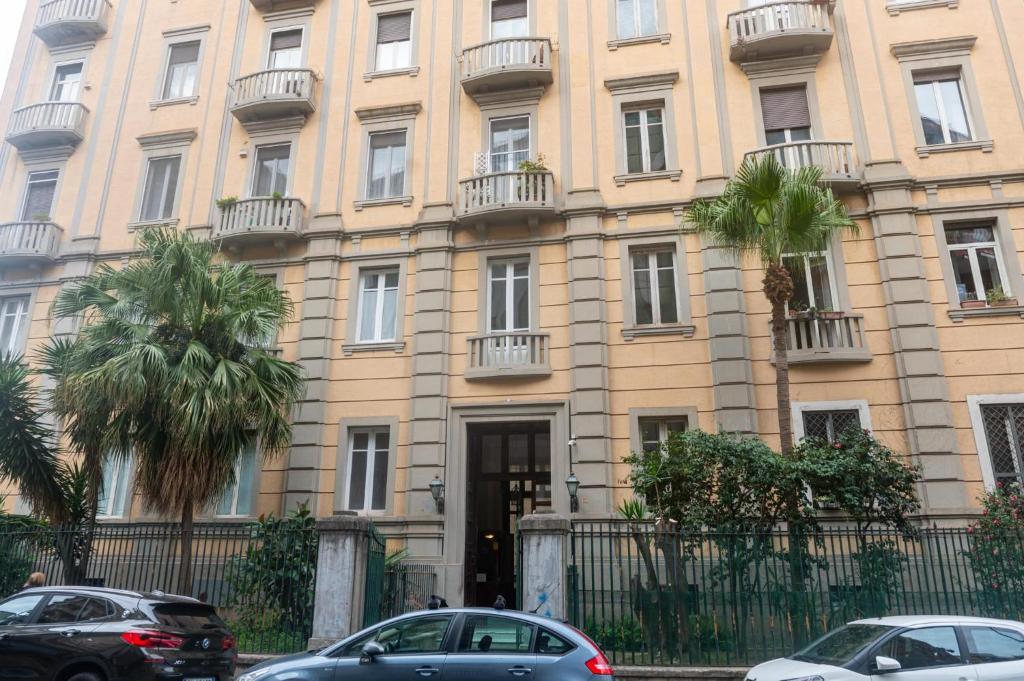
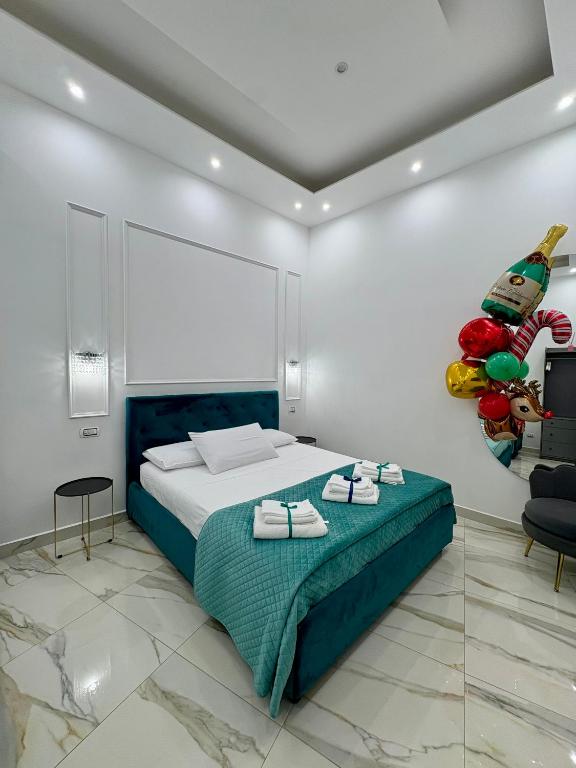

Prices and availability shown on partner sites at time of click. We may earn a commission.


