

Naples is a major destination in southern Italy, drawing visitors for landmarks such as Castel Nuovo with its medieval stone walls, and the Royal Palace overlooking Piazza del Plebiscito. Coastal views stretch along the Gulf of Naples, where the salty air mingles with the aroma of freshly baked Neapolitan pizza from local pizzerias. Situated about 225 kilometers south of Rome via the A1 Autostrada and roughly 260 kilometers north of Palermo, driving to Naples from various parts of Italy requires navigating a network of autostrade (highways) with tolls and variable traffic. Typical driving times range from 2 to 2.5 hours from Rome, while Florence to Naples takes around 4.5 hours. Planning your route carefully helps avoid heavy congestion, especially during holidays or weekends. Parking in Naples often proves difficult due to narrow lanes in areas like Centro Storico and Quartieri Spagnoli, where tight spaces and frequent scooters crowd the streets. Familiarity with parking zones and rules beforehand will save time and reduce frustration.
What are the main driving routes to Naples from northern Italy?
The main route from northern Italy to Naples is the A1 Autostrada, linking cities such as Milan, Bologna, and Rome directly to Naples, with tolls applied along the way.
The A1, called Autostrada del Sole, spans Italy’s length and has the fastest southbound drive to Naples. From Milan, the trip covers about 800 kilometers, taking 7 to 8 hours without heavy traffic. Bologna lies about 400 kilometers away, approximately a 4-hour drive. Toll fees vary by distance; for instance, the Rome-to-Naples stretch costs around EUR 12 to 15. The highway is well maintained and clearly signposted, though congestion often builds near Florence and Rome during rush hours and holidays.
Alternative routes include following the A14 Adriatic coast motorway before connecting with the A16 near Naples, but these add distance and time. Drivers should watch for occasional roadworks near Apennine tunnels and be prepared for weather-related delays, especially in winter.
How long does it take to drive to Naples from Rome and what should I expect on the route?
Driving from Rome to Naples along the A1 Autostrada usually takes 2 to 2.5 hours, covering about 225 kilometers with tolls and possible slowdowns near city outskirts.
The journey starts at Rome’s Grande Raccordo Anulare (GRA) and follows the A1 motorway, a toll road charging approximately EUR 12 to 15 for this segment. The road surface is smooth, with rest stops like Arezzo and Orvieto spaced every 30 to 50 kilometers, offering fuel, snacks, and restrooms.
Drivers may encounter congestion during weekday peak hours around Rome and Naples, as well as increased traffic on summer weekends. Departing early morning or late evening can ease delays. Along the way, the Apennine mountains rise in the distance while patches of farmland and Mediterranean scrub pass by. Fuel stations are frequent, and speed limits are generally 130 km/h on motorways unless otherwise posted.
Map of Naples
What toll costs and payment methods apply when driving to Naples?
Tolls on Italian autostrade to Naples depend on distance traveled, typically ranging from EUR 10 to 40; payment options include cash, credit/debit cards, and the Telepass electronic toll device.
Toll booths appear at motorway entrances and exits, where drivers take a ticket entering and pay upon leaving, the fee reflecting the distance covered. For example, the toll from Florence to Naples on the A1 is about EUR 30 to 35. Accepted payment methods include Euros in cash, major credit cards like Visa and MasterCard, and contactless options.
The Telepass system allows automatic payment while driving through dedicated lanes, ideal for frequent users but requiring prior registration. It’s wise to carry cash or a card as backup, especially on less busy routes or during night hours.
Where can I find parking in Naples and what are the typical costs and regulations?
Parking in Naples is available in public garages, parking lots, and regulated on-street zones; rates range from EUR 1 to 3 per hour, with daily maximums around EUR 20 in central spots like Piazza del Plebiscito.
Free parking is scarce, especially in the historic center and neighborhoods such as Quartieri Spagnoli. Paid options include garages like Garage Morelli on Via Morelli 66 and Parcheggio Brin on Via Brin, offering secure spaces at hourly rates between EUR 1.50 and 3.00. Many garages also have daily maximum fees to make longer stays more economical.
On-street parking is marked by blue lines for paid zones, with meters usually operating from 8:00 to 20:00 Monday through Saturday. Rates typically fall between EUR 1 and 2 per hour. White lines indicate free parking but are rare and often reserved for residents. Yellow lines mark spaces reserved for disabled drivers or special permits. Visitors must check signs carefully to avoid fines. Streets are often crowded and parking tight, so patience is essential. Some hotels in Vomero provide private parking or partnerships with nearby garages.
What are the best times to drive to Naples to avoid traffic congestion?
To avoid heavy traffic when driving to Naples, travel early mornings before 7:30 AM or late evenings after 8:00 PM, and steer clear of weekends and public holidays which see increased road use.
The A1 motorway experiences heavy congestion during weekday rush hours (7:30–9:30 AM and 5:00–7:30 PM) near Rome and Naples. Summer weekends from June through September bring higher volumes as locals and visitors head towards coastal destinations like the Amalfi Coast.
Public holidays such as Easter, Christmas, and Ferragosto (August 15) also cause traffic jams. Planning your trip outside these peak periods can significantly reduce travel time. Checking real-time traffic updates via apps like Autostrade per l'Italia or local radio stations helps avoid unexpected backups. Rest areas are spaced conveniently, so scheduling breaks during quieter times can make the drive more comfortable.
“If you’re driving into Naples, avoid Via Marina during rush hour around 5 PM; parking near Piazza del Plebiscito costs about 3 euros per hour, and if you’re hungry, grab a sfogliatella at a nearby café before you hit the tolls on the A3 highway.”
How do local driving customs and regulations affect visitors driving in Naples?
Drivers in Naples should expect assertive local driving, frequent horn use, and strict enforcement of traffic rules including ZTL restricted zones in the city center.
Naples drivers often signal intentions or warn others with their horns, which can seem intense to unfamiliar visitors. Staying calm and driving defensively is essential. Speed limits are 50 km/h in urban areas and 130 km/h on highways unless otherwise posted.
The historic center includes Zona a Traffico Limitato (ZTL) areas where non-resident vehicles are banned during certain hours, usually 9:00 AM to 6:00 PM. Unauthorized entry leads to fines. Visitors should check with their accommodation about access permits or park outside ZTL zones and use public transit such as Metro Line 1 or the city’s funicular railways. Seat belts are mandatory for all passengers, and use of mobile phones while driving is prohibited unless hands-free.
What are some practical tips for parking and driving in Naples neighborhoods?
When driving in Naples neighborhoods, it’s practical to use public parking garages or park-and-ride facilities, then continue on foot or public transport to avoid narrow streets and limited parking spaces.
Areas like Centro Storico and Quartieri Spagnoli feature narrow, often one-way streets and restricted parking, making driving and parking difficult. Parking garages near the edges of these neighborhoods are recommended.
Neighborhoods such as Chiaia and Vomero provide more parking options but can still be busy during evenings and weekends. Be attentive to parking signs and meters. Public transport options like the funicular railways or buses can help reach hilltop areas. Planning routes ahead and allowing extra time for parking will improve your driving visit in Naples.
Where to stay in and around Naples
Live rates from Booking.com, Agoda, Hotels.com and more — stays picked by review score.

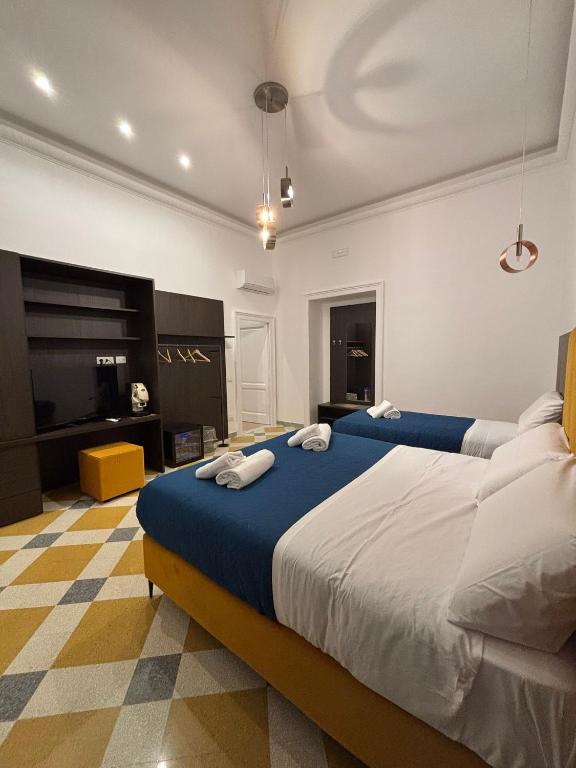
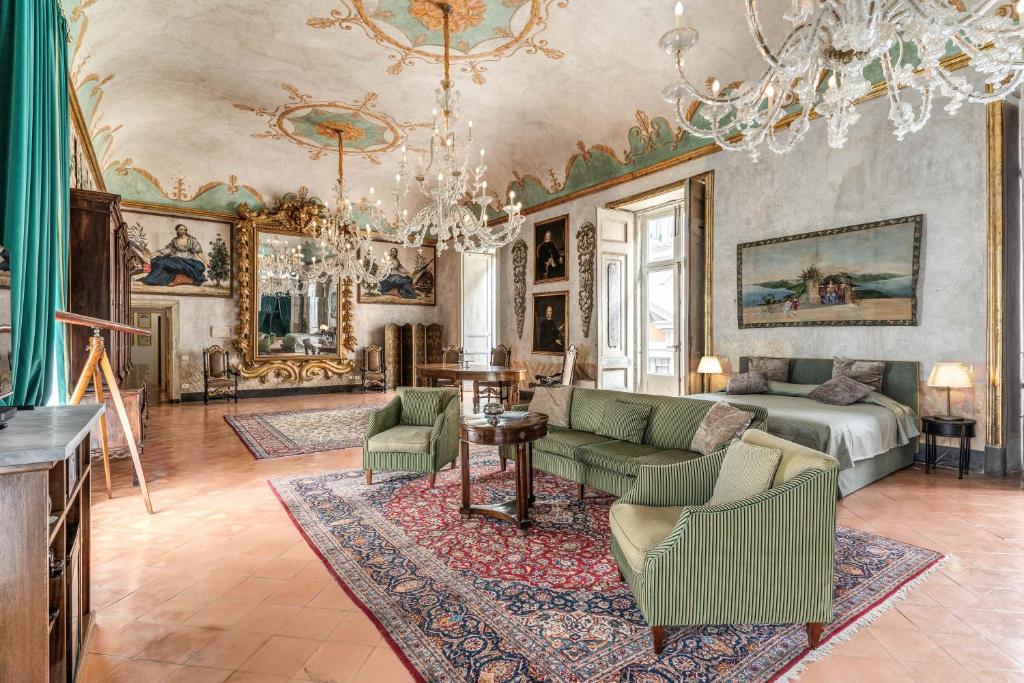

Sette Stelle Suites - Relax tra Lungomare e Piazza del Plebiscito
from €87.92
Prices and availability shown on partner sites at time of click. We may earn a commission.
Reference Resources
Frequently Asked Questions
5 platforms, one search for naples
Booking.com, Hotels.com, Expedia, Agoda & Trip.com





Thousands of travelers compare prices before booking — you should too


