

Naples is a city of diverse neighborhoods, each with its own character, attractions, and atmosphere.
Before you go
With a population of nearly 1 million, the city stretches along the Bay of Naples and includes areas from the historic center to seaside districts like Posillipo and Santa Lucia. Visitors can find accommodation ranging from budget-friendly guesthouses to upscale hotels, with prices typically between EUR 50 and EUR 200 per night depending on location and season. The city's compact size makes it possible to walk through many neighborhoods or use efficient public transportation such as the Naples Metro and funicular lines. Understanding the distinctive features of Naples’ neighborhoods will help travelers choose where to stay and what to see based on their interests and itinerary.
VisitNapoli.net recommends
Independently compared options — pick whichever suits your visit.
What neighborhoods in Naples are best for first-time visitors?
Centro Storico and Chiaia are the best neighborhoods for first-time visitors, thanks to their central location, historic landmarks, and active street life.
Centro Storico, the historic center, is a UNESCO World Heritage site filled with narrow alleys, baroque churches, and landmarks like the Naples Cathedral (Duomo di Napoli) and Spaccanapoli street. Walking through its maze-like streets, visitors hear the chatter of locals and smell freshly brewed espresso wafting from corner cafes. Accommodation ranges from guesthouses to boutique hotels, typically priced between EUR 60 and 150 per night. The area is well connected by metro lines (Line 1 and 2) and buses.
Chiaia is a more refined, seaside district known for elegant shopping streets like Via dei Mille and Via Chiaia, where stylish boutiques line the sidewalks. The gentle sea breeze carries the scent of salt and blooming flowers from nearby parks. It is quieter at night compared to Centro Storico and features hotels and apartments with views of the Bay of Naples. Staying here provides easy access to the waterfront promenade and is about a 20-minute walk from the historic center.
Where can visitors find authentic local life in Naples?
Quartieri Spagnoli and Rione Sanità are neighborhoods where visitors can observe everyday Neapolitan life and local traditions.
Quartieri Spagnoli is a densely populated area with narrow streets like Via Toledo and lively markets such as Mercato di Pignasecca. The air is filled with the aroma of fresh bread and simmering tomato sauce from family-run trattorias. Street art colors the walls, and small shops hum with the voices of vendors and customers. Visitors should be mindful of pickpocketing but can enjoy guided walking tours that provide insight into the neighborhood’s social fabric.
Rione Sanità is known for its historical catacombs, such as the Catacombs of San Gennaro on Via Capodimonte, and a strong community presence. The neighborhood features affordable accommodation and local trattorias serving traditional dishes like pasta alla Genovese. It is about a 15-minute walk from the historic center and accessible by bus.
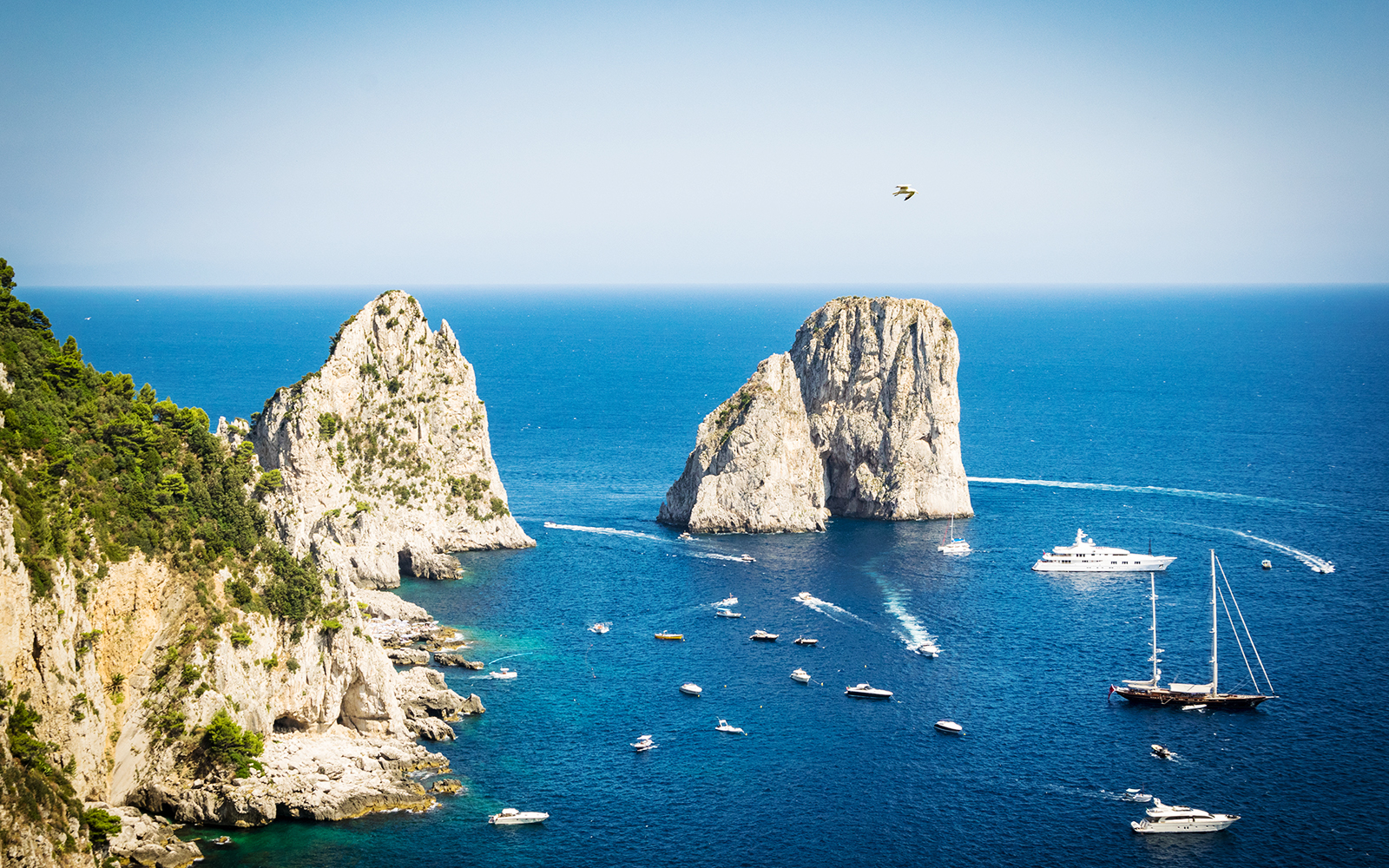


Location of Naples Neighborhoods Guide
What is the best neighborhood for nightlife in Naples?
Chiaia and the area around Piazza Bellini provide lively nightlife with bars, clubs, and live music venues.
Chiaia has numerous stylish bars and clubs popular with locals and visitors alike, especially along Via Chiaia and Via dei Mille. The sound of live jazz and chatter spills onto the streets, mingling with the salty sea air. It suits those seeking refined venues and seaside views.
Piazza Bellini, located near the historic center, attracts a younger crowd with its casual bars, outdoor seating, and frequent cultural events. The square buzzes with music and conversation into the night. It is a 10-minute walk from the Museo metro station on Line 1 and has a variety of options for evening entertainment.
How can visitors reach the Vomero neighborhood and what can they see there?
Vomero is a hilltop neighborhood accessible by funicular or metro, known for panoramic views and shopping streets.
Visitors can reach Vomero via the Montesanto or Chiaia funiculars, or by taking Line 1 of the Naples Metro to the Vanvitelli station. The funicular ride from the city center takes about 10 minutes and features glimpses of terracotta rooftops and the sparkling bay below.
Vomero features elegant streets such as Via Scarlatti and Via Luca Giordano, lined with boutiques, cafes, and theaters. The fortress Castel Sant'Elmo (Via Tito Angelini 20) and Certosa di San Martino museum provide sweeping views over Naples and the bay. Accommodation ranges from mid-range hotels to apartments, with prices around EUR 70-150 per night.
What are the transportation options between Naples neighborhoods?
Naples has an integrated public transport system including metro lines, funiculars, buses, and trams connecting its key neighborhoods.
Metro Line 1 connects Vomero (Vanvitelli station), Centro Storico (Dante and Museo stations), and Chiaia (Toledo station), while Line 2 serves areas like Fuorigrotta and Napoli Centrale train station. The four funicular lines (Montesanto, Chiaia, Mergellina, and Central) link hillside districts such as Vomero with the city center.
Bus services cover neighborhoods like Rione Sanità and Quartieri Spagnoli. A single ticket costs EUR 1.10 and is valid for 90 minutes on all means of transport. Walking is also practical in compact areas like Centro Storico and Chiaia.
“In Naples, each neighborhood pulses with its own flavor—from the bustling markets of Spaccanapoli where scents of fresh espresso and sfogliatella fill the air, to the tranquil seaside charm of Posillipo, offering sunset views that locals swear by. Knowing where to stay truly shapes your Neapolitan story.”
What are some lesser-known neighborhoods worth visiting in Naples?
Posillipo and Santa Lucia provide quieter, scenic environments with seaside views and historical villas.
Posillipo is a residential area along the coast with panoramic spots such as Parco Virgiliano and historic villas like Villa Rosebery. The salty sea breeze mingles with pine and lemon trees. It is accessible by bus or taxi from the city center, about 20-30 minutes away.
Santa Lucia is a waterfront neighborhood near Castel dell'Ovo, known for its fish restaurants and promenade along Via Partenope. The scent of grilled seafood drifts from the eateries. It is a 15-minute walk from the Porto district and has a more relaxed atmosphere compared to the historic core.
Where can visitors find affordable accommodation in Naples?
For budget travelers, the neighborhoods of Forcella and Porto provide affordable lodging close to main attractions.
Forcella is adjacent to the historic center and features guesthouses and small hotels with prices often under EUR 60 per night. It is a lively area with street markets and local eateries where the smell of frying pizza fills the air.
Porto, near the main port and Napoli Centrale train station, has budget hotels and hostels convenient for travelers arriving by ferry or train. It is a practical base for those planning day trips to nearby sites like Pompeii (about 30 minutes by train) or the Amalfi Coast.
What local insights can enhance a stay in Naples neighborhoods?
Locals often recommend visiting neighborhood markets such as Mercato di Pignasecca in the Centro Storico for fresh produce and street food like sfogliatella or fried pizza. Early mornings are best for market visits to avoid crowds.
Walking through side streets in Quartieri Spagnoli or Rione Sanità reveals authentic artisan shops and murals reflecting local culture. Joining a guided walking tour can provide context and safety.
Money-saving tips include using the daily transport ticket (EUR 4.50) if planning multiple trips and dining at trattorias away from main tourist streets, where a full meal can cost EUR 12-20 per person.
What practical details should visitors know about Naples neighborhoods?
Most neighborhoods have well-marked tourist information points, especially in Centro Storico and Chiaia. Museums and churches usually open from 9:00 to 18:00, with some closing on Mondays.
Addresses of key sites include Naples Cathedral (Via Duomo 147), Castel Sant'Elmo (Via Tito Angelini 20), and the Catacombs of San Gennaro (Via Capodimonte 13). Metro tickets can be purchased at stations or tobacco shops.
Walking times: Centro Storico to Chiaia is about 20 minutes on foot; Vomero to Centro Storico via funicular takes 10 minutes plus a 5-minute walk; Rione Sanità is a 15-minute walk from the historic center.


